Can Meditation Help Anxiety? A Science-Backed Look at Stress Relief
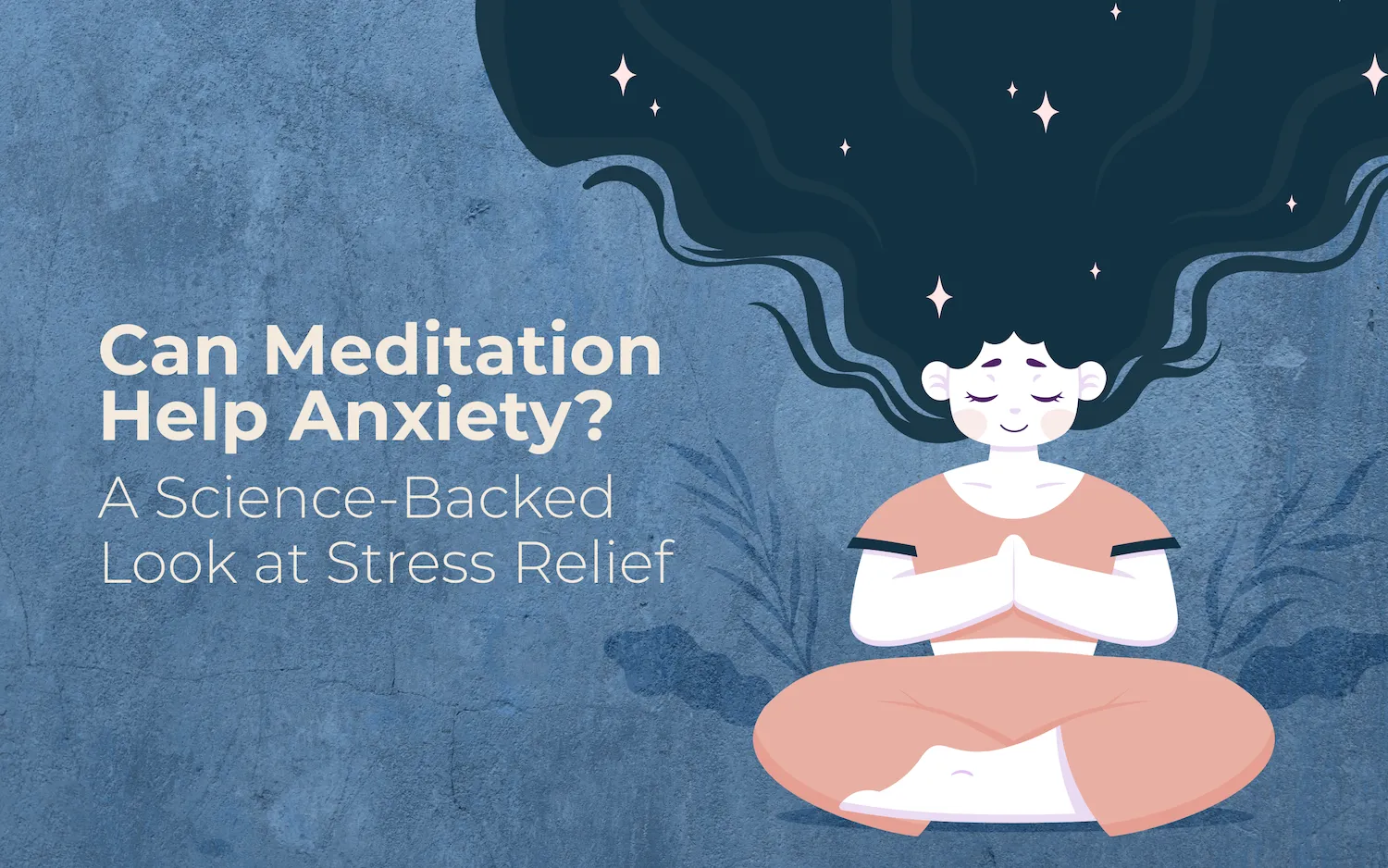
Can meditation help anxiety?
Yes! Meditation, or the practice of training your awareness to exercise mindfulness, can help reduce anxiety by calming the nervous system, lowering stress hormones like cortisol, and helping people observe anxious thoughts without reacting to them. Research shows regular meditation can improve emotional regulation, reduce worry loops, and support overall mental well-being.
Many people use meditation alongside therapy or holistic mental health treatment to better manage anxiety and stress.
The Growing Impact of Anxiety and the Search for Natural Relief
In 2021 the World Health Organization found that anxiety and chronic stress affects 359 million people (including 72 million children) each year. While therapy and professional treatment are often important parts of recovery, many individuals also look for natural tools to help regulate their stress response.
Meditation has gained attention as one of the most effective mind-body practices for calming the nervous system and improving emotional resilience. Studies show that meditation can help reduce stress hormones, improve attention control, and interrupt the repetitive thought patterns that often drive anxiety.
For people dealing with anxiety, meditation offers a practical skill that can be practiced daily to support mental clarity and emotional balance.
The Science Behind Meditation and Anxiety
If you are struggling with persistent anxiety, you may find your body is in a perpetual “fight or flight” state. This means that your sympathetic nervous system remains overactivated, continuously signaling danger even in safe situations, which can lead to heightened stress, rapid heart rate, shallow breathing, and difficulty relaxing.
Meditation helps manually activate the parasympathetic nervous system, or the “rest and digest” response that relaxes your body after a period of danger. Harvard Health Publishing compares the parasympathetic nervous system to a brake, so it’s easy to conceptualize that without activating that system after periods of anxiety you are bound to head towards a crash.
How Meditation Calms the Brain’s Worry Loop
Meditation can be especially helpful for people who struggle with rumination, or obsessive and repetitive thinking about past events, negative emotions, fears, insecurities, problems, etc. leading to unhelpful and stressful spirals in thinking patterns. Over time, practicing meditation will allow you to redirect those thoughts out of those harmful worry loops and towards more productive emotional structures.
Changes in the Brain from Regular Meditation
Meditation is not just limited to changes in thoughtfulness, it can even result in physical changes to the brain over long periods of time. Research suggests that meditation can lead to “changes in activity in the amygdala and hippocampus, key brain regions involved in emotional regulation and memory.” The amygdala is the area of the brain responsible for processing fear and stress and the hippocampus is the area responsible for memory and learning, so these are crucial components to conquering anxiety, especially anxiety that is rooted in negative past experiences.
Types of Meditation That Help Anxiety and Stress
Mindfulness Meditation
Mindfulness meditation is the practice of becoming aware of your senses and surroundings. By focusing on the stimuli of what you are actively thinking, feelings, and experiencing in the present, it can help alleviate the stress of racing thoughts and anxiety and allow you to ground yourself.
Breathwork Meditation
Breathwork meditation is the practice of consciously controlling your breathing patterns in a way that alters your physical, mental, or emotional state. It can help with anxiety by redirecting your focus away from racing or negative thoughts as well as help trigger your aforementioned parasympathetic nervous system.
Body Scan Meditation
Body scan meditation involves focusing your attention on each part of your body and taking note of all the sensations you are experiencing at each point i.e. temperature, tension, weight, pulsation, pressure, etc. Similar to Mindfulness Meditation, you are focusing on stimuli to ground yourself away from anxious thoughts, but this time the stimuli is coming from inside of your own body.
A Simple Meditation Routine for Anxiety
Step 1: Find a Quiet Place
Make sure you feel comfortable and relaxed, but not to the point where you are falling asleep.
Step 2: Focus on Your Breathing
Recognize the pattern of how you are naturally inhaling and exhaling.
Step 3: Notice Thoughts Without Reacting
Acknowledge the thoughts you are having without letting them lead to more thoughts, instead gently return your attention to the breathing.
Step 4: Use Grounding if Anxiety Appears
If anxious feelings arise, focus on your body sensations or your breathing rhythm. You can also use the 5-4-3-2-1 Grounding Technique:
- 5 things you can see
- 4 things you can touch
- 3 things you can hear
- 2 things you can smell
- 1 thing you can taste
- Step 5: Practice makes perfect
It’s harder than it looks! Consistency is key, start with just 2 minutes and repeat daily or multiple times a day until you feel you can manually control your thoughts when you feel anxiety arising.
When Meditation Alone May Not Be Enough
Like many mental health resources, meditation is one of many tools in your kit that can work in tandem along with other things like therapy and medication to help you alleviate your anxiety. There is no right way to treat mental illness, so try working with professionals who can create personalized approaches to find what strategic combinations will work best for you.
Holistic Approaches to Anxiety Treatment
Whether you’re new to meditation or looking to deepen your knowledge, consistency is what can reduce your anxiety over time. If you’re ready to experience these benefits for yourself, Barn Life Recovery provides holistic support and we invite you to explore our anxiety treatment options as the first step towards your more balanced future.