
Limerence: Love and the Brain
Limerence
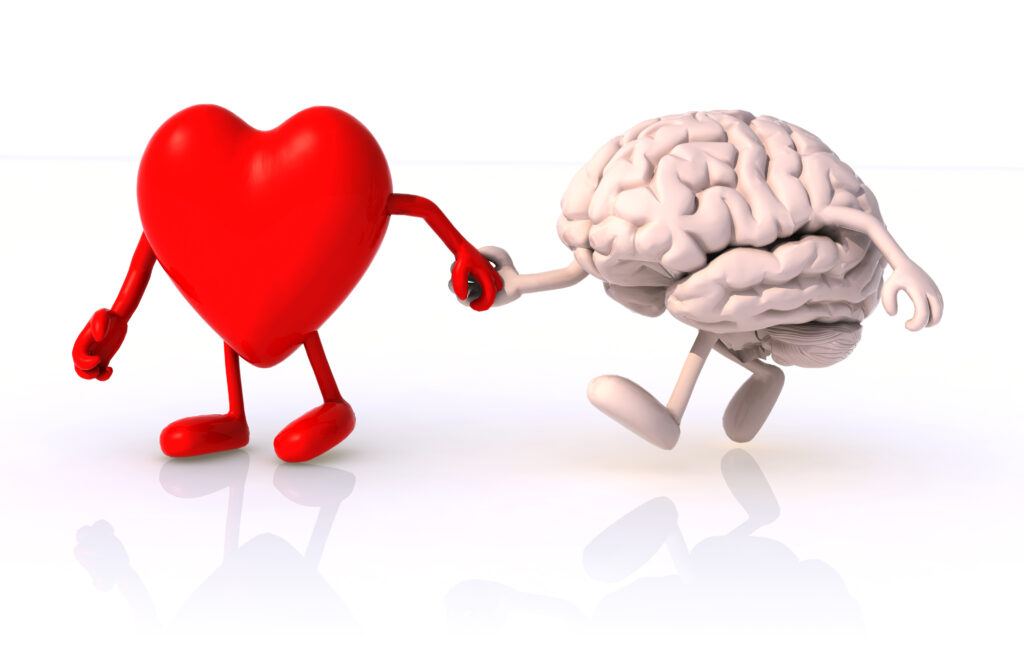
No doubt you’ve seen, or experienced for yourself, the state of limerence. The chaotic, sometimes even terrifying thoughts and feelings. The often irrational, even crazy behaviors. And most of all, the abject despair when our feelings of attraction are not returned. All of this is part of the limerence experience.
What is Limerence?
Limerence is an intense emotional feeling of falling in love at first sight. It’s characterized by the feeling of “getting butterflies in your stomach”. It’s a love so intense it makes you unable to function normally. People in long-term relationships often refer to it as “the honeymoon phase,” when the relationship was new and everything was exciting.
Psychologist Dorothy Tennov coined the term for her 1979 book, Love and Limerence: The Experience of Being in Love. It describes a concept that had grown out of her work in the mid-1960s, when she interviewed over 500 people on the topic of love. Tennov described this state of being as involuntary. However, it is only involuntary insofar as the limerent person is unaware of what is driving them.
The Origins of Limerence
I would like to suggest evolutionary biology as the basis of limerence. Limerence promotes the possibility of procreation. It almost always brought a child as a result in the days before widespread family-planning resources.
One hundred thousand years ago there were plenty of ways for humans to perish. Therefore, it was crucial for the survival of children that both parents stuck around. However, at about 3-7 years into a limerent relationship, the dopamine cycle responsible for limerence begins to drift back toward normal. Procreation achieved, with a child of an age to survive, the people in this limerent pair-bond begin to re-enter reality.
They begin to find acceptance to see each other as who they really are, instead of as distorted fantasies of someone who will assuage or satisfy all inner needs – the emotional trick evolutionary biology plays on us to get us to commit to pair-bonding and procreation in the first place.
From Dopamine to Serotonin
Once the limerence dopamine cycle fades, the limerence serotonin cycle takes over. These endorphins foster feelings of contentment, trust, and groundedness. This is very different from the rush of pleasure and terror fostered by the dopamine cycle. The reality is that dopamine cycles and serotonin cycles cause very different feelings that do not actually connect to one another as much as you’d think.
At this point, people in a limerent bond have a choice to make. They can leave the bond to find another limerent experience involving a strong dopamine hit to the brain’s reward centers, or they can refocus their emotional and intellectual attention on their current partner with the goal of knowing them for who they really are. This can be a challenge, as many of us have discovered. The reward for doing it, though, is substantial. It offers a peaceful, contented relationship that allows for and fosters the emotional growth of both partners.
Exploring Limerence
If limerence fosters procreation for the purpose of raising a child to survival age, it’s our philosophy that the serotonin cycle that comes after supports an intimate environment between partners fostering emotional growth and maturation and far deeper feelings of attachment.
We explore the various irrational and emotionally questionable aspects of limerence: the fantasies, the intense highs and lows, the deep unhappiness limerence can cause. How might we become much more aware of the state of limerence? How can we become aware enough to manage these forces that drive us, and instead be the driver instead of the driven?
Barn Life Recovery is a treatment center located in Orange County, California that specializes in providing mental health services to people dealing with all sorts of day-to-day struggles. Learn more about our Intensive Outpatient Program (IOP) and our Partial Hospitalization Program (PHP).